Antisemitisme 05.10.2026 ”Han er selvfølgelig jøde…” Populære krimier er fulde af jødiske stereotyper I Agatha Christies krimier bliver jøder ofte fremstillet som grådige og mistænkelige fremmedelementer. Selv efter holocaust fortsatte hun med at skrive fordomsfuldt om jøder, bare i en mere indirekte form. Det viser ifølge historiker Sofie Lene Bak, hvordan populærkulturen kan være med til at fastholde antisemitiske forestillinger.
INNER_LEAGUE: A social-bureaucratic history of the League of Nations Secretariat INNER_LEAGUE offers a social-bureaucratic history of the League Secretariat and how its employees shaped lasting infrastructures of multilateralism.
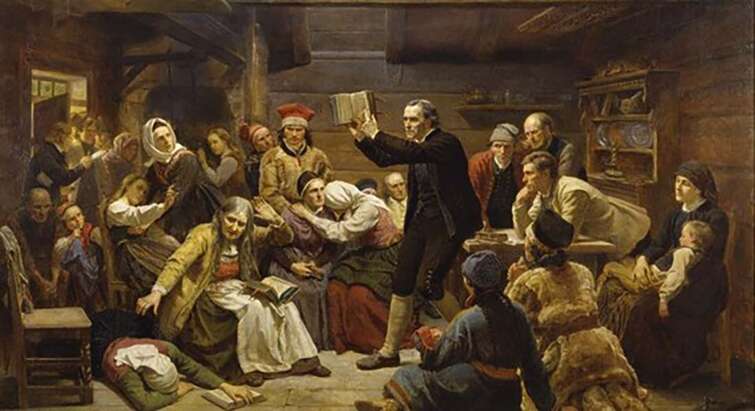
Radical Pietism in Northern Europe: Social Protest on the Verge of Modernity This research project accounts for the remarkable surge in radical Pietism in the Holy Roman Empire, Denmark, Norway, and Sweden from the 1690s, when religious fervor soared, to the 1750s when it eventually subsided.
FORTIS: Den befæstede ø. Militarisering, konflikter og fælleskaber på jernalderens Bornholm Fortified Island (FORTIS) investigates prehistoric forts on Bornholm and their societal context.
Arrival Tracks: Train Stations as Affective Infrastructures in Times of Displacement (TRACKS) This project examines train stations as affective arrival infrastructures in Hamburg and Copenhagen across three moments of forced displacement.
Den sunde hud: Kulturteoretiske udforskninger af menneskets synlige organ Projektet vil fremme en mere nuanceret forståelse af hudens sundhed og pleje med fokus på afgørende sammenhænge mellem videnskabelige, kommercielle og dagligdags-hudplejepraksisser.
Code and Conspiracy: Antisemitism in Denmark After 1945 (ASIDE) The project Code and Conspiracy: Antisemitism in Denmark After 1945 (ASIDE) funded by DFF investigates the dynamics of modern antisemitism in Danish society.